Foam Bath Sensory Fun
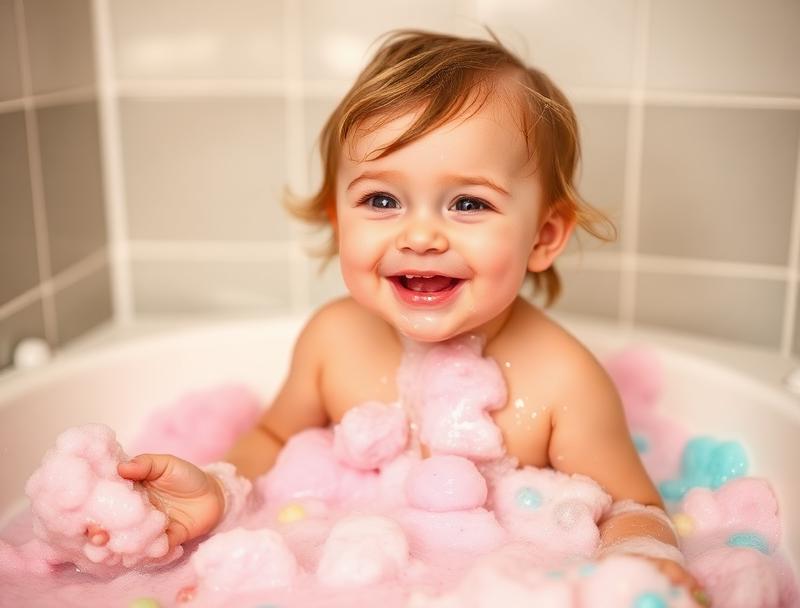
Bath time in our house used to be a battle. My son hated getting his hair washed, despised the bathtub, and screamed through the entire experience nightly. Then I discovered colored foam. I mixed baby-safe bubble bath with a little water and food coloring, whipped it into fluffy foam with a hand mixer, and presented it in the bath like a magical cloud. Everything changed. Suddenly bath time was play time. The foam distracted him from hair washing, turned the tub into a sensory wonderland, and made him actually ask for baths. We went from dreading evenings to laughing together.
Age Safety Note
Only use bubble bath products specifically labeled as baby-safe, tear-free, and hypoallergenic. Babies with eczema or sensitive skin should skip the food coloring to avoid potential irritation. Never add more than the recommended amount of bubble bath—concentrated soap can irritate delicate skin. The usual water safety rules apply with extra emphasis: never leave a baby unattended in water, not even for a second. The foam can be slippery, so hold baby securely when moving them.
Why This Activity Works
Foam provides a unique sensory experience that's different from water alone. It's light, airy, moldable, and slowly dissolves. For toddlers who resist bath time, the novelty of foam changes the emotional association from 'necessary hygiene' to 'fun activity.' The tactile input is calming for many children, and the visual interest of colored foam bubbles holds attention. Foam also encourages fine motor play as babies grab, smoosh, and pile it up. And here's a bonus: kids often tolerate hair washing better when distracted by foam play.
Materials Needed
- Baby-safe bubble bath
Tear-free formula is essential. A little goes a long way when whipped.
- Hand mixer or whisk
A hand mixer creates fluffier foam; a whisk works but requires more effort.
- Food coloring (optional)
A tiny drop creates pastel colors without staining. Skip if baby has sensitive skin.
- Shallow mixing bowl
For creating the foam before adding to bath.
- Bath toys
Cups, containers, and scoops for foam play.
Prep Tips (Before You Start)
- 1Add 2-3 tablespoons of bubble bath to a shallow bowl with about 1/4 cup of water.
- 2Add a single drop of food coloring if using—more can stain skin and tub.
- 3Whip with a hand mixer until stiff peaks form, like meringue. This takes 2-3 minutes.
- 4Make foam right before bath time; it deflates over time.
- 5Prepare the bath first with just a few inches of water—foam adds volume.
Step-by-Step Guide
- 1Prepare the foam in the kitchen while your baby watches (or in the bathroom if you have an outlet).
- 2Scoop fluffy foam into the bathtub, dropping it onto the water in colorful piles.
- 3Lower your baby into the tub and let them discover the foam. 'Look at the fluffy bubbles! Touch them!'
- 4Model foam play: pile it, squish it, put some on your hand, blow it gently off. 'Ooh, it's so soft!'
- 5Let baby play freely. Provide cups and containers for scooping and pouring foam.
- 6During foam play is a great time to sneak in hair washing—baby is distracted and happy.
- 7As foam dissolves, it becomes regular bubble bath. Normal bath activities can continue.
- 8Rinse baby well to remove all soap residue before getting out.
Fun Variations to Try
- •Make rainbow foam by whipping several batches in different colors.
- •Spread foam on the bath wall for 'drawing' with fingers.
- •Add foam to a shallow bin for floor play (non-bath sensory activity).
- •Create 'foam beards' and take silly pictures—kids love these!
Cleanup Tips
- Foam rinses away easily—no special cleanup required for the tub.
- If food coloring stained the tub, a spray of regular bathroom cleaner will remove it.
- Rinse the hand mixer or whisk immediately; dried foam is harder to clean.
- Bath toys used in colored foam may need a quick rinse to prevent residue buildup.
Real Parent Story
"Leo screamed through every bath. It wasn't a dislike—it was a genuine fear. We tried toys, we tried music, we tried bathing him in the kitchen sink. Nothing worked. Every night was a struggle that left all of us stressed and exhausted. Then my sister suggested colored foam. She'd seen it on some parenting account and thought it might help. I was skeptical but desperate, so I tried it. The first time I lowered Leo into a tub full of pink fluffy foam, he stopped mid-cry and just stared. Then he touched the foam tentatively. Then he grabbed a fistful and watched it squish between his fingers. He laughed. HE LAUGHED IN THE BATHTUB. I almost cried. That was six months ago. Now Leo asks for 'pink bath' every night. We've experimented with different colors—blue is his current favorite. Bath time has become bonding time instead of battle time. I have the foam routine down to two minutes of prep, and it's worth every second. Sometimes the simplest solutions make the biggest differences."
— Mike, dad of 20-month-old Leo
Bonus Tips From Parents
- Make extra foam and keep some in a bowl at the edge of the tub for reloading during bath.
- Cold foam is perfectly fine—no need to warm it before adding to bath.
- If baby is nervous about foam at first, let them touch it outside the tub before getting in.
- Consider foam bath as part of a calming bedtime routine—the sensory input helps regulate.
References & Further Reading
General guidance we rely on when writing activities. These are broad resources rather than sources for this specific craft.
Toddler Ages & Stages
American Academy of Pediatrics
What to expect physically, socially and cognitively from 1 to 3 years.
The Power of Play
American Academy of Pediatrics
Why unstructured, hands-on play matters more than structured lessons at this age.
Choking Prevention
American Academy of Pediatrics
How to judge whether an object is a choking risk, and what to do if it happens.
Art Material Safety & the AP Seal
Art & Creative Materials Institute
Look up which craft supplies are certified non-toxic for children.
Toddler Play & Learning
Raising Children Network
Evidence-based play ideas grouped by developmental skill.
Poison Control
America's Poison Centers
Free 24/7 guidance if your child swallows something they shouldn't.
Ready for more fun?