Indoor Sand Sensory Bin
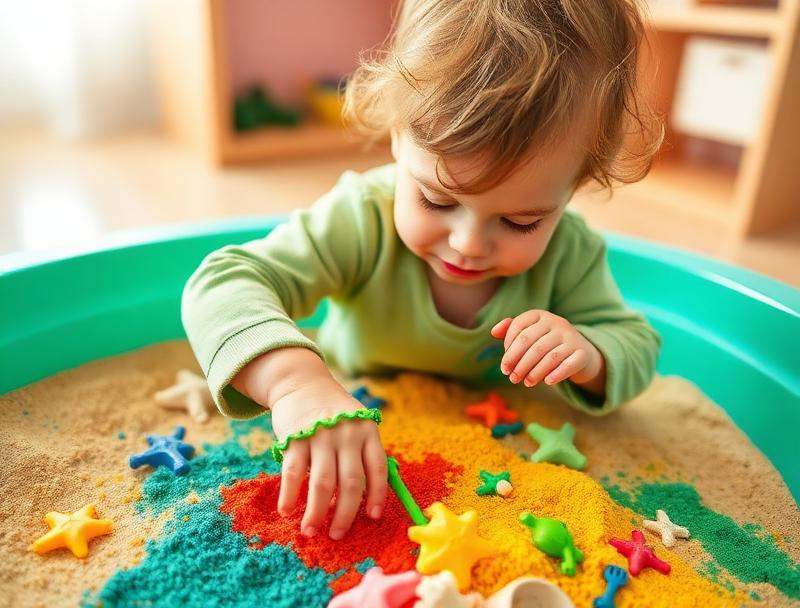
Beach day in the living room. We set up an indoor sand sensory bin on rainy days, and my kids play for an hour straight—pouring, building, burying treasures, creating landscapes for their tiny figurines. Kinetic sand is particularly magical; it holds shapes better than regular sand and contains the mess more easily. The sensory experience of sand running through fingers is calming and engaging, making this a perfect activity for regulation or extended independent play.
Age Safety Note
Sand should not be eaten or thrown. Set clear expectations before play begins. Use a large bin with sides to contain spills. Place on a drop cloth or sheet for easier cleanup. Kinetic sand is generally safer indoors than regular sand because it clumps together and is less likely to spread everywhere. Store sand in a sealed container to keep it clean and prevent pests. Wash hands thoroughly after play.
Why This Activity Works
Sand provides rich tactile input that's calming for most children. Pouring and scooping develop fine motor skills and hand-eye coordination. Building with sand teaches cause and effect—what structures hold up and what collapses. Adding figurines or toys turns sensory play into imaginative play. And the contained nature of a bin makes this a manageable mess that delivers substantial sensory benefits.
Materials Needed
- Play sand or kinetic sand
Kinetic sand is cleaner but more expensive. Regular play sand works too.
- Large shallow bin
Under-bed storage containers work well. Sides should be high enough to contain sand.
- Sand toys
Scoops, molds, funnels, cups—standard sand box toys work perfectly.
- Small figurines
Dinosaurs, farm animals, or toy figures for imaginative play.
- Drop cloth
Place under and around the bin to catch spills.
Prep Tips (Before You Start)
- 1Set up on a hard floor, not carpet, for easier cleanup.
- 2Place a large sheet or drop cloth under the bin to catch spills.
- 3Fill bin with enough sand for scooping and building, but not so much it spills easily.
- 4Set out 3-4 tools initially to prevent overwhelm.
- 5Establish rules: sand stays in the bin; sand doesn't go in mouths.
Step-by-Step Guide
- 1Set up the bin with sand and initial tools.
- 2Invite child to play: 'It's sand time! What will you build?'
- 3Let child lead the play. Observe without directing unless invited.
- 4Introduce figurines for extended play: 'The dinosaurs want to play in the sand!'
- 5Model building or pouring if child needs inspiration.
- 6Narrate: 'You're pouring the sand through the funnel! It's making a pile!'
- 7When play winds down, make cleanup part of the activity: 'Let's scoop all the sand back in.'
- 8Brush off hands and shake out clothes before leaving the sand area.
Fun Variations to Try
- •Create themed bins: dinosaur excavation, beach scene, construction site.
- •Add spray bottles for wet sand exploration.
- •Bury small toys for treasure hunting.
- •Hide letter or number magnets for educational discovery.
Cleanup Tips
- Sweep sand back into the bin before vacuuming stragglers.
- Shake out clothing over the bin.
- Store sand in a sealed container to keep it clean and dry.
- Kinetic sand stays fresh longer in airtight storage.
Real Parent Story
"Willow has sensory processing differences—some textures are too much for her, and she avoids them. Sand was one of those textures. She wouldn't touch sand at the beach or in sandbox. It was 'too scratchy.' But she was curious, I could tell. So I bought kinetic sand, which is softer and smoother than regular sand. The first time she touched it, her whole face changed. 'It's... soft,' she said, like she couldn't believe it. She spent an hour with that bin, completely absorbed. The kinetic sand became a bridge. After months of playing with it at home, she cautiously touched regular sand at the playground—still 'scratchy,' but tolerable. Last month, she built a whole sandcastle at the beach. A SANDCASTLE. I cried. That indoor sand bin wasn't just play; it was therapy. It was exposure. It was Willow learning that she could expand her world, one soft sand grain at a time."
— Jordan, parent of 3.5-year-old Willow
Bonus Tips From Parents
- Kinetic sand is worth the cost—it's easier to clean and more satisfying to mold.
- Keeping sand dry extends its lifespan; wet sand can mold.
- Theme changes keep the bin novel: add different figurines for new scenarios.
- Contained sand play is much more manageable than traditional sandboxes.
References & Further Reading
General guidance we rely on when writing activities. These are broad resources rather than sources for this specific craft.
Toddler Ages & Stages
American Academy of Pediatrics
What to expect physically, socially and cognitively from 1 to 3 years.
The Power of Play
American Academy of Pediatrics
Why unstructured, hands-on play matters more than structured lessons at this age.
Choking Prevention
American Academy of Pediatrics
How to judge whether an object is a choking risk, and what to do if it happens.
Art Material Safety & the AP Seal
Art & Creative Materials Institute
Look up which craft supplies are certified non-toxic for children.
Toddler Play & Learning
Raising Children Network
Evidence-based play ideas grouped by developmental skill.
Poison Control
America's Poison Centers
Free 24/7 guidance if your child swallows something they shouldn't.
Ready for more fun?