Mud Kitchen Play
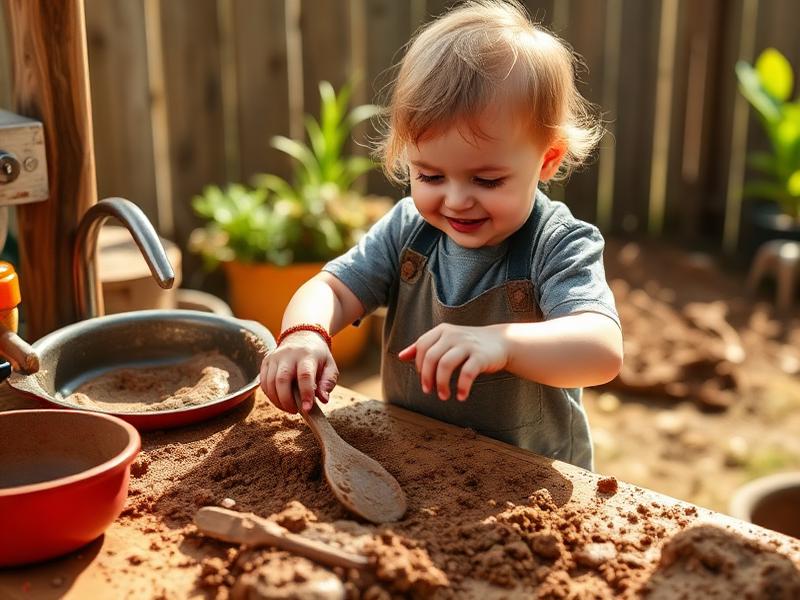
I used to be the mom who cringed when my kids got dirty. Then we set up a mud kitchen in the backyard, and my entire parenting philosophy changed. Watching my daughter 'cook' elaborate mud meals—with such seriousness, such concentration—I realized that mess is not the enemy. Mess is evidence of deep, meaningful play. Now my kids spend hours outside stirring, pouring, mixing, and serving. Yes, bath time is longer. Yes, laundry is harder. But the play that happens in that mud kitchen is worth every extra minute of cleanup.
Age Safety Note
Mud kitchen play requires constant adult supervision, especially near water sources. Check the play area before each session for hazards: sharp objects, animal waste, or toxic plants. Teach the 'we play with mud, but we don't eat mud' rule and reinforce it consistently. Wash hands thoroughly after play. Avoid areas where pesticides or fertilizers have been used. Have a 'cleanup station' ready at the door with towels and a change of clothes.
Why This Activity Works
Mud play is sensory heaven. The cold, the squelch, the texture of dry dirt versus wet mud—it's a full-body sensory experience. Pretend cooking develops imaginative thinking, language skills, and social play (especially with siblings or friends). The unstructured nature of mud play allows children to lead, create rules, and problem-solve. Plus, research shows that contact with soil bacteria actually boosts immune systems and improves mood.
Materials Needed
- Outdoor dirt area
A corner of the yard, a dedicated raised bed, or even a large bin of soil.
- Old pots, pans, and dishes
Thrift store finds work perfectly. Real metal pots are more satisfying than plastic.
- Wooden spoons and utensils
Real kitchen tools feel important and 'grown up.'
- Water source
A bucket, watering can, or hose for mud-making.
- Natural ingredients
Leaves, flowers, seeds, sticks—add to the 'recipe.'
- Old clothes
Dress for mess. Mud-designated clothing makes everyone happier.
Prep Tips (Before You Start)
- 1Check the play area for hazards: glass, sharp objects, animal droppings, toxic plants.
- 2Set up a 'kitchen' area with a small table or shelf to hold equipment.
- 3Fill a bucket or watering can with water and place it nearby.
- 4Dress your child in dedicated mud clothes—accept that these will be permanently stained.
- 5Set up a cleanup station at the back door: towel, bucket of water, change of clothes.
Step-by-Step Guide
- 1Introduce the mud kitchen as a 'restaurant' or 'bakery' where your child is the chef.
- 2Show them how to add water to dry dirt to make mud: 'Pour slowly... stir it up... now it's getting muddy!'
- 3Step back and let them play. Your job is to supervise, not direct.
- 4Accept invitations to 'eat' their creations. 'Mmm, this mud pie is delicious! What's in it?'
- 5Suggest natural add-ins: 'Would this leaf make a good salad? What about these seeds?'
- 6When play winds down (or hunger calls), transition to cleanup as part of the routine.
- 7Hose off hands and feet outside if possible before heading in for bath.
Fun Variations to Try
- •Add food coloring to water for 'special ingredient' mud in different colors.
- •Set up a 'drive-through' window for serving customers.
- •Make mud bricks by packing mud into containers and letting them dry.
- •Host a mud party where friends come dressed for mess and everyone cooks together.
Cleanup Tips
- Hose down children outside before bringing them indoors—saves floors and bathtubs.
- Mud clothes go straight into a bucket or outdoor bin until laundry day.
- Let muddy shoes dry completely before knocking off the dirt—easier than trying to clean wet mud.
- Embrace the bath—make post-mud bathtime part of the fun with bubbles and toys.
Real Parent Story
"Our mud kitchen started as a desperation move. We were stuck in quarantine with two little kids and running out of activities. I built a simple setup from an old shelf and stocked it with thrift store kitchenware. Within minutes, Hazel declared herself 'Chef Hazel' and began preparing elaborate meals for her stuffed animal customers. Finn, at 2, just squished mud between his fingers and was equally happy. That mud kitchen became our quarantine salvation. Every nice day, we'd spend hours outside. Hazel developed complex recipes that she'd dictate to me: 'Three scoops of dirt, one leaf, spin three times, add water.' Finn learned to pour without spilling. They negotiated turns with equipment, shared ingredients, and created together. When lockdown ended and playdates resumed, our mud kitchen became the neighborhood attraction. Kids would ask their parents specifically to come play at our house 'because they have the mud place.' I never thought I'd be proud of a dirt corner in my yard, but that mud kitchen represents some of our family's best memories."
— Ian, dad of 4-year-old Hazel and 2-year-old Finn
Bonus Tips From Parents
- Invest in good mud boots—keeping feet dry makes the experience more comfortable.
- Add a bucket of water for hand-washing so kids can 'clean up' as part of the play.
- Take photos of the 'dishes' your child creates—they put real effort into their mud art.
- Mud play is calming for anxious or overstimulated children—the sensory input is regulating.
References & Further Reading
General guidance we rely on when writing activities. These are broad resources rather than sources for this specific craft.
Toddler Ages & Stages
American Academy of Pediatrics
What to expect physically, socially and cognitively from 1 to 3 years.
The Power of Play
American Academy of Pediatrics
Why unstructured, hands-on play matters more than structured lessons at this age.
Choking Prevention
American Academy of Pediatrics
How to judge whether an object is a choking risk, and what to do if it happens.
Art Material Safety & the AP Seal
Art & Creative Materials Institute
Look up which craft supplies are certified non-toxic for children.
Toddler Play & Learning
Raising Children Network
Evidence-based play ideas grouped by developmental skill.
Poison Control
America's Poison Centers
Free 24/7 guidance if your child swallows something they shouldn't.
Ready for more fun?