Pinecone Bird Feeders
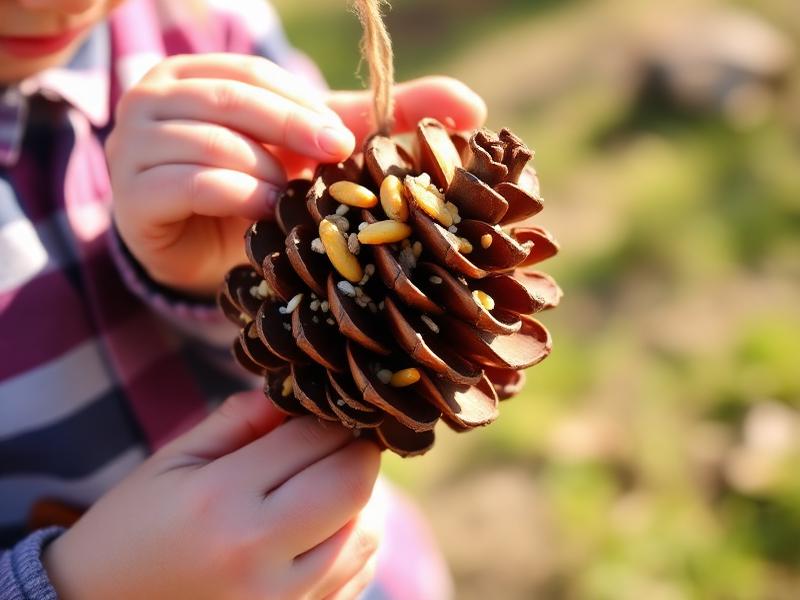
Every morning now, my four-year-old runs to the kitchen window before breakfast to check 'his' birds. This daily ritual started when we hung a homemade pinecone bird feeder in our backyard tree. I honestly didn't expect much—we live in the suburbs, how many birds could there really be? But within two days, we had chickadees, sparrows, and even a cardinal visiting. Watching my son identify birds, track their behavior, and feel ownership over their well-being has been one of the most surprisingly educational things we've ever done together.
Age Safety Note
This activity works perfectly for 3-4 year olds, but two safety points deserve attention. First, check for nut allergies before using peanut butter—sunflower seed butter is an excellent substitute. Second, adult supervision is essential during any activity that involves string (strangulation hazard) and outdoor trees (supervision while hanging the feeder). Let your child do the messy, fun parts—spreading and rolling—while you handle the string and hanging.
Why This Activity Works
Bird feeders connect children to the natural world in a tangible, ongoing way. Unlike a one-time craft that goes on the shelf, a bird feeder keeps giving: new birds arrive, old birds return, seasons change, and the feeder becomes a window into ecosystem dynamics. For 3-4 year olds, the sensory experience of sticky peanut butter and textured seeds is satisfying, and the motor planning required to coat a pinecone thoroughly is great for development. The real magic comes after the craft is done—in the patience required to wait for birds, the observation skills built during bird-watching, and the caretaking responsibility of refilling feeders.
Materials Needed
- Large pinecones
Bigger is easier for little hands. Collect them from parks or buy at craft stores. Open pinecones hold more peanut butter.
- Peanut butter
Creamy spreads easier than chunky. Use sunflower seed butter for nut-allergic households.
- Bird seed
A mix with sunflower seeds attracts the most variety. Avoid seed mixes with small, hard pellets that scatter everywhere.
- String or twine
About 12 inches per feeder. Natural jute twine looks nice and biodegrades if you forget to remove it.
- Butter knife or spoon
For spreading the peanut butter. Kid-safe, dull blade.
- Shallow tray or pan
Pour seeds into this for easy rolling.
Prep Tips (Before You Start)
- 1Collect pinecones on a nature walk, or buy them. Open pinecones with visible 'petals' hold peanut butter better than closed ones.
- 2Pre-tie string to each pinecone—this is an adult job. Loop around the top scales securely.
- 3Pour a layer of bird seed into a shallow pan or tray. Deeper isn't better; horizontal rolling needs horizontal space.
- 4Cover your work surface with newspaper or a plastic tablecloth. Peanut butter plus bird seed equals impressive mess.
- 5Have wet paper towels ready for sticky fingers—you'll use more than you think!
Step-by-Step Guide
- 1Show your child the pinecone and explain that we're making a meal for the birds. Ask: 'What do you think birds like to eat?'
- 2Scoop peanut butter onto a butter knife or spoon. Demonstrate spreading it into the gaps of the pinecone—getting it into the crevices is the goal.
- 3Hand over the knife and let your child spread. It won't be even or perfect, and that's fine. The birds don't grade on appearance.
- 4When the pinecone is covered, hold it over the seed tray and let your child roll it around, pressing gently to make seeds stick.
- 5Turn and press to cover all sides. If there are bare spots, add more peanut butter and roll again.
- 6Admire your sticky, seed-covered creation together. Count how many seeds you can see stuck on it!
- 7Find a tree branch to hang it from—ideally somewhere you can see from a window. Adult handles the hanging.
- 8Make a bird-watching spot inside near the window. Maybe add a pair of toy binoculars for extra fun!
- 9Wait and watch. Birds may take a day or two to find the feeder. When they do, it's celebration time!
Fun Variations to Try
- •Make a whole fleet of feeders and give some to neighbors or grandparents.
- •Skip the pinecone: spread peanut butter on a toilet paper roll, roll in seeds, and slide onto a branch.
- •Create a bird journal where your child draws or stickers the birds they see visiting.
- •Add a string of cranberries or dried apple slices for extra bird treats.
Cleanup Tips
- Wash hands immediately—peanut butter under fingernails is no joke.
- Leftover bird seed stores well in a sealed container. You'll use it for refills!
- Newspaper with spilled seeds goes straight in the trash or compost.
- Make a weekly habit of checking and refilling feeders—birds come to rely on consistent food sources.
Real Parent Story
"We made our first pinecone bird feeder on a random Saturday when I was trying to keep Carlos busy while his dad painted the bathroom. I had no idea what we were starting. That one feeder became three, then five. Carlos checks them every single morning before preschool—it's part of his routine now like brushing teeth. He's learned to identify sparrows ('the little brown ones'), chickadees ('they have the black hats'), and our neighborhood cardinal ('the red guy'). He knows that birds eat more when it's cold outside and that some birds are 'brave' (they stay when he comes to the window) and some are 'shy.' Last month, he announced he wants to be an 'animal scientist' when he grows up. His preschool teacher says he talks about 'his birds' constantly. I'm amazed that something so simple—peanut butter on a pinecone—sparked a genuine interest in nature and responsibility for another creature's wellbeing. We go through a lot of bird seed now, but watching my kid develop empathy for wildlife? Worth every penny."
— Ana, mom of 4-year-old Carlos
Bonus Tips From Parents
- Keep a simple chart near the window where your child can mark which birds visited each day.
- Check out bird identification books from the library—kids love matching 'their' birds to pictures.
- If squirrels raid the feeder, consider it a lesson in animal behavior rather than a failure!
- Some birds prefer certain seeds—research what species live in your area and what they like.
References & Further Reading
General guidance we rely on when writing activities. These are broad resources rather than sources for this specific craft.
Toddler Ages & Stages
American Academy of Pediatrics
What to expect physically, socially and cognitively from 1 to 3 years.
The Power of Play
American Academy of Pediatrics
Why unstructured, hands-on play matters more than structured lessons at this age.
Choking Prevention
American Academy of Pediatrics
How to judge whether an object is a choking risk, and what to do if it happens.
Art Material Safety & the AP Seal
Art & Creative Materials Institute
Look up which craft supplies are certified non-toxic for children.
Toddler Play & Learning
Raising Children Network
Evidence-based play ideas grouped by developmental skill.
Poison Control
America's Poison Centers
Free 24/7 guidance if your child swallows something they shouldn't.
Ready for more fun?